


Featured Blogs

Blog
The Manufacturing Iceberg: Why Traditional Communication Systems Can’t See What’s Sinking Your Operations
At this very moment, somewhere on your plant floor, a disengaged worker is going through the motions, a near-miss is going unreported, and critical tribal knowledge just walked out the…

Blog
Weavix Walt Smart Radio vs RelayX: A Head-to-Head Comparison for Manufacturing
Comparing weavix Walt Smart Radio to RelayX comes down to one difference that drives ROI: Walt turns frontline communication into searchable, reusable data, while RelayX conversations disappear. Below is a…

Blog
Push to Talk Walkie Talkie: What It Is and Why It Matters
Frontline teams depend on clear, instant communication, but most push-to-talk radios create familiar frustrations — complex devices, spotty coverage, and poor integration with digital workflows. As production demands climb and…
-
The Manufacturing Iceberg: Why Traditional Communication Systems Can’t See What’s Sinking Your Operations

Blog
The Manufacturing Iceberg: Why Traditional Communication Systems Can’t See What’s Sinking Your Operations
Learn MoreAt this very moment, somewhere on your plant floor, a disengaged worker is going through the motions, a near-miss is going unreported, and critical tribal knowledge just walked out the…
-
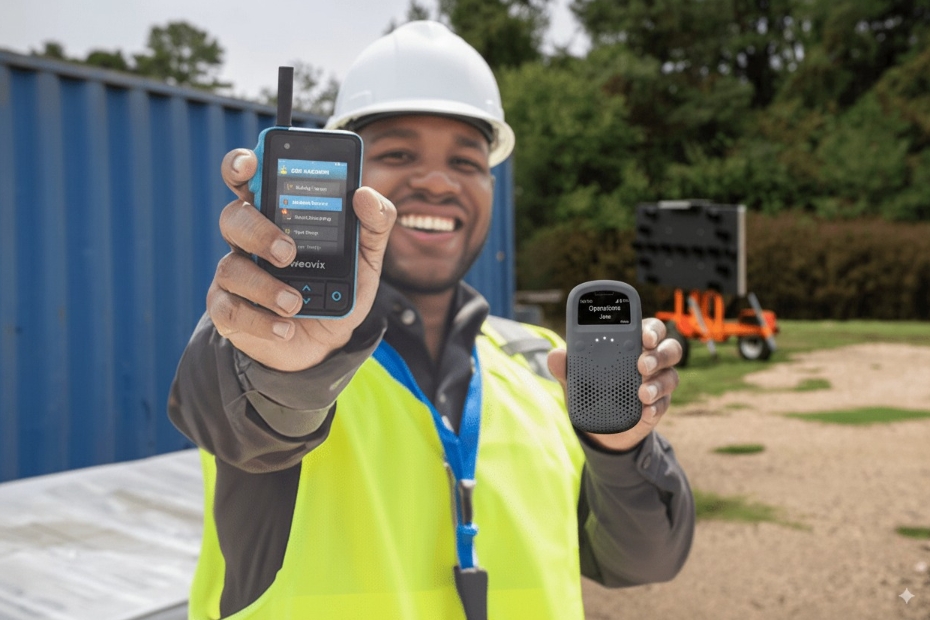
Weavix Walt Smart Radio vs RelayX: A Head-to-Head Comparison for Manufacturing
Blog
Weavix Walt Smart Radio vs RelayX: A Head-to-Head Comparison for Manufacturing
Learn MoreComparing weavix Walt Smart Radio to RelayX comes down to one difference that drives ROI: Walt turns frontline communication into searchable, reusable data, while RelayX conversations disappear. Below is a…
-
Push to Talk Walkie Talkie: What It Is and Why It Matters

Blog
Push to Talk Walkie Talkie: What It Is and Why It Matters
Learn MoreFrontline teams depend on clear, instant communication, but most push-to-talk radios create familiar frustrations — complex devices, spotty coverage, and poor integration with digital workflows. As production demands climb and…
Recent Blogs
Recent Blogs
Blog
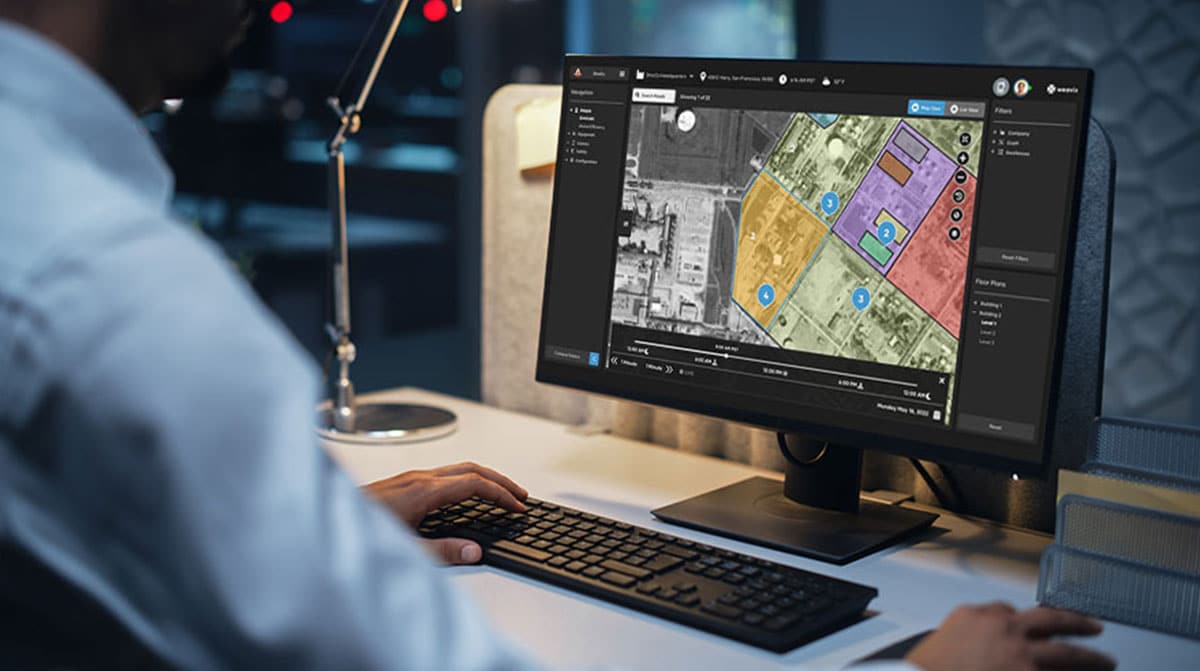
Data Collection in Manufacturing: The 70% Your Sensors Miss
Does your dumb radio capture critical frontline data? Key Takeaways 70% of critical operational communication happens outside formal data systems. Traditional sensors capture machine data but miss worker communication, movement,…

Blog
13 Safety Practices in Manufacturing to Implement Today
Manufacturing facilities are high-risk environments where heavy machinery and fast production cycles leave little room for error. When communication breaks down or hazards go unnoticed, routine tasks turn into safety…

Blog
Smart Manufacturing Solutions: The Critical Infrastructure Gap
Key Takeaways Smart manufacturing solutions integrate people, machines, and processes to enhance production efficiency. Communication infrastructure plays a crucial role, yet it often gets overlooked, leading to an intelligence gap.…
Blog
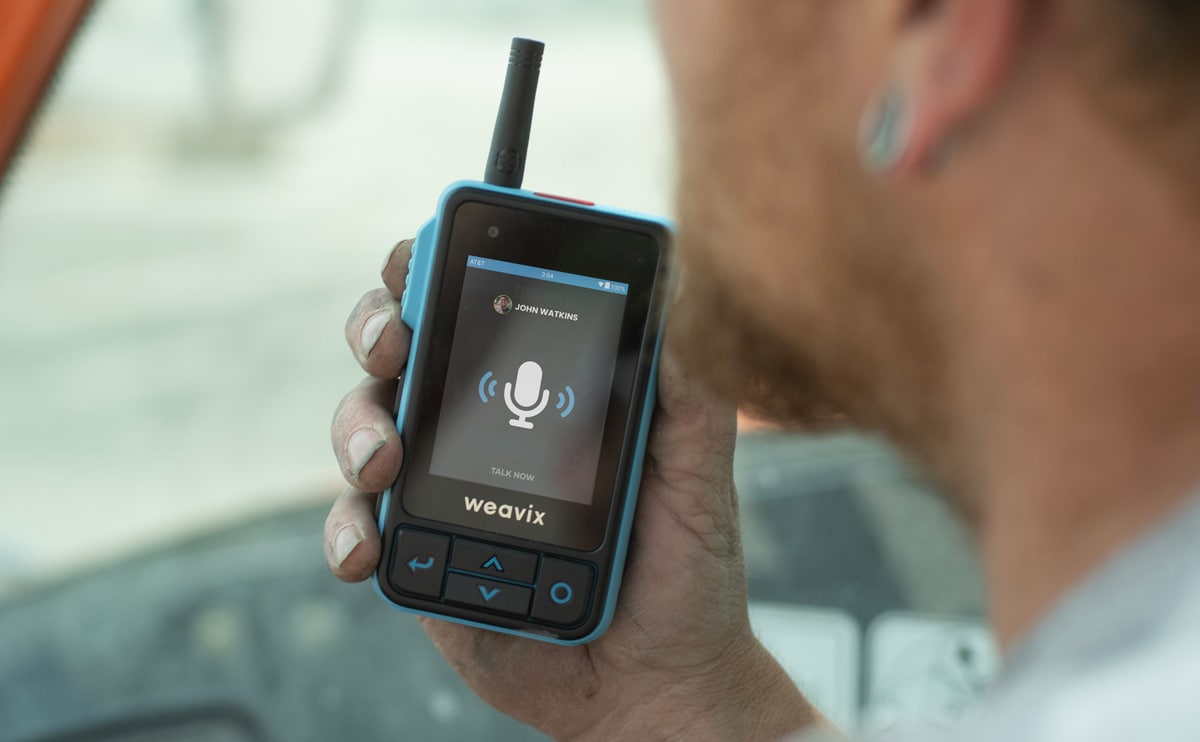
How to Make the Case for Two-Way Radio Systems
Key Takeaways Two-way radios facilitate real-time communication, crucial for industries like construction, hospitality, and manufacturing. Analog and digital two-way radios serve different needs, with digital radios offering better audio quality…
Blog
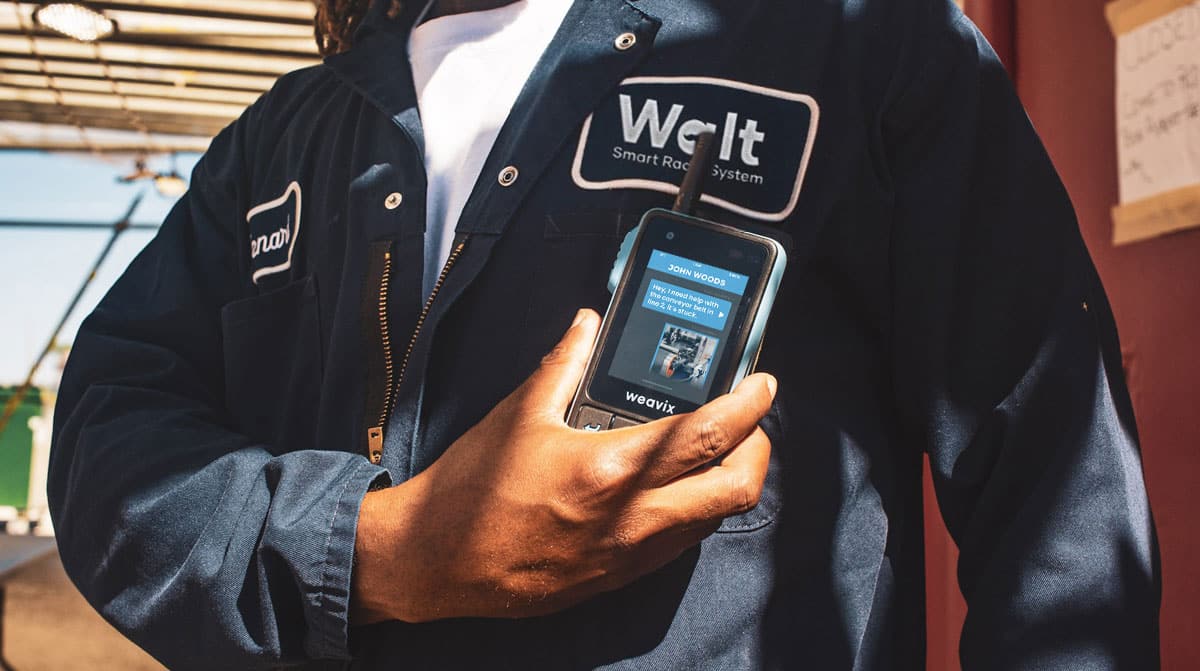
What Are the Best Manufacturing Two-Way Radios? A Plant Manager’s Guide to Making the Right Choice
A few years ago, I remember standing in the middle of a production floor, watching a critical quality issue spiral into a costly shutdown. The problem? Their team couldn’t communicate…
Blog
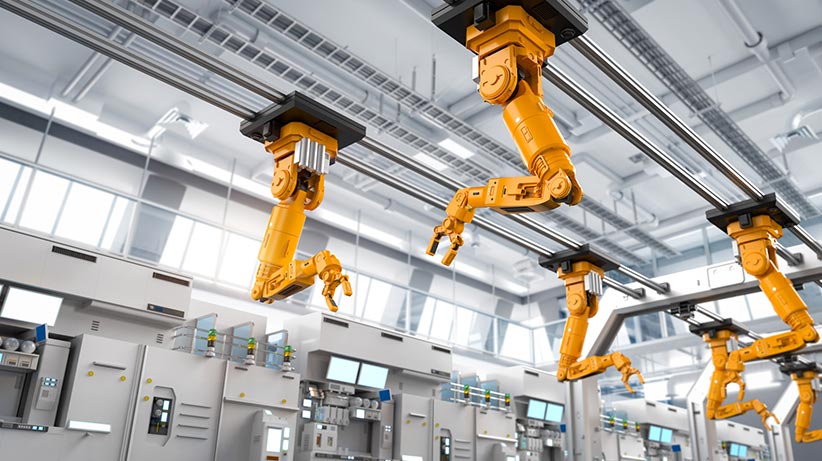
11 Smart Manufacturing Technologies Transforming the Factory Floor
Outdated equipment and disconnected systems often limit factory output, reduce transparency, and make it difficult for operations leaders to stay ahead of rising costs and workforce challenges. Smart manufacturing technologies…
Blog
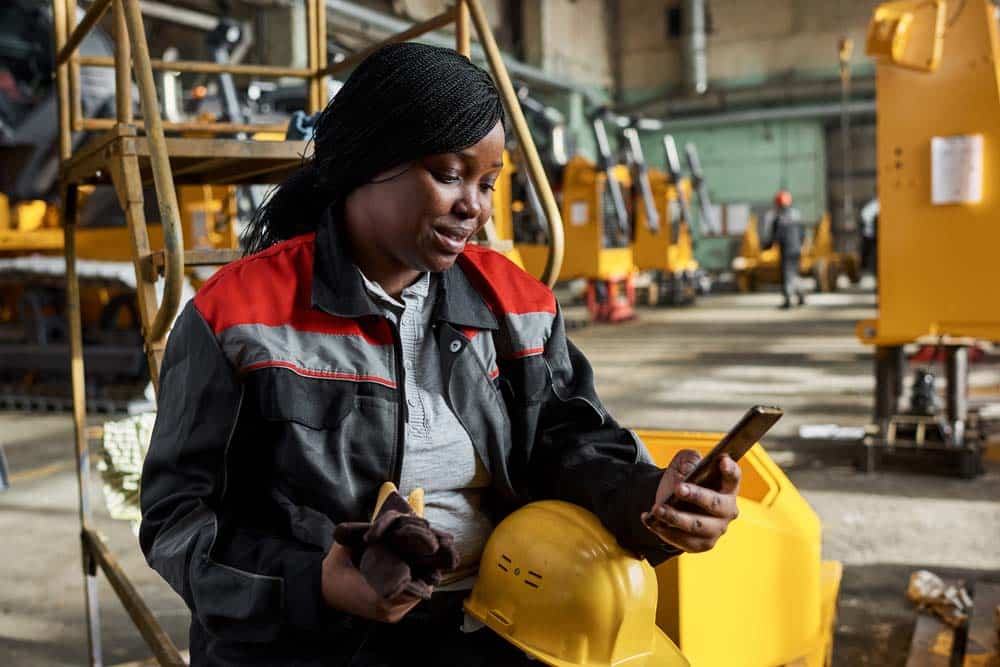
The Pros and Cons of Smartphone Bans in Manufacturing
Key Takeaways Smartphones can create safety risks in manufacturing, leading to significant incidents and even injuries. Manufacturers face challenges in balancing smartphone restrictions with operational communication needs. Policies like GM's…

Blog
Microsoft Teams vs Smart Radios: The Industrial Communication Head-to-Head
Key Takeaways Microsoft Teams faces challenges in industrial environments due to delays and distractions, risking safety and efficiency. Smart radios provide instant push-to-talk communication with sub-1 second response times, eliminating…

Blog
How Communication Barriers Create Disconnected Teams, Higher Costs
It was a busy day shift at the vast industrial facility, with production lines running at full capacity. So, when drops of water started pooling on the plant floor, several…

Blog
Making the Case for Universal Communication in Modern Facilities
Production supervisor Scott Wagner received a text message at 6:42 a.m. while at home preparing for his commute. The night shift ended almost two hours ago, but he was just…

Blog
The Ultimate Guide to Digital Transformation in Manufacturing in 2025
Most plant managers face a serious bottleneck: outdated communication tools and fragmented systems hold back efficiency improvements on the production floor. While the pressure to adopt new technologies grows, many…

Blog
How Universal Communication Saves Lives in Industrial Facilities
It was mid-afternoon on Tuesday when Miguel left his station on the production line because he wasn’t feeling well, but he was afraid to tell anyone. He headed to the…