

Featured Blogs

Blog
The Manufacturing Iceberg: Why Traditional Communication Systems Can’t See What’s Sinking Your Operations
At this very moment, somewhere on your plant floor, a disengaged worker is going through the motions, a near-miss is going unreported, and critical tribal knowledge just walked out the…
Blog
Weavix Walt Smart Radio vs RelayX: A Head-to-Head Comparison for Manufacturing
Comparing weavix Walt Smart Radio to RelayX comes down to one difference that drives ROI: Walt turns frontline communication into searchable, reusable data, while RelayX conversations disappear. Below is a…
Blog
Push to Talk Walkie Talkie: What It Is and Why It Matters
Frontline teams depend on clear, instant communication, but most push-to-talk radios create familiar frustrations — complex devices, spotty coverage, and poor integration with digital workflows. As production demands climb and…
-
The Manufacturing Iceberg: Why Traditional Communication Systems Can’t See What’s Sinking Your Operations

Blog
The Manufacturing Iceberg: Why Traditional Communication Systems Can’t See What’s Sinking Your Operations
Learn MoreAt this very moment, somewhere on your plant floor, a disengaged worker is going through the motions, a near-miss is going unreported, and critical tribal knowledge just walked out the…
-
Weavix Walt Smart Radio vs RelayX: A Head-to-Head Comparison for Manufacturing
Blog
Weavix Walt Smart Radio vs RelayX: A Head-to-Head Comparison for Manufacturing
Learn MoreComparing weavix Walt Smart Radio to RelayX comes down to one difference that drives ROI: Walt turns frontline communication into searchable, reusable data, while RelayX conversations disappear. Below is a…
-
Push to Talk Walkie Talkie: What It Is and Why It Matters
Blog
Push to Talk Walkie Talkie: What It Is and Why It Matters
Learn MoreFrontline teams depend on clear, instant communication, but most push-to-talk radios create familiar frustrations — complex devices, spotty coverage, and poor integration with digital workflows. As production demands climb and…
Recent Blogs
Recent Blogs
Blog
A Message Sent Isn’t a Message Understood.
TLDR Today we launched a new big idea at weavix, built on a simple belief: communication isn't enough. You've got to understand. According to the latest federal data, a U.S.…
Blog
Security Radios Should Do More Than Talk. Guards Need a Record and a Way to Call for Help.
TLDRSecurity radios connect guards, patrols, and safety teams, and the best ones add what a basic radio can't: a timestamped record of every round, a one-press call for help, and…
Blog
A Panic Button Only Helps If Someone Answers. Here’s How to Make Sure They Do.
TLDRA panic button is a one-press way to call for help, and it only protects someone when the alert reaches a responder who knows where the worker is. A workplace…
Blog
Warehouse Safety Is a Communication Problem. Here Are 10 Ways to Solve It.
TLDRWarehouse safety fails when the right message doesn't reach the right worker in a language they understand: forklift lane rules, dock hazards, and evacuation steps all depend on it. These…
Blog
Lone Worker Safety Starts With Being Heard. Everything Else Follows.
TLDRA lone worker is someone who can't be seen or heard by another worker when something goes wrong, and no single OSHA standard covers all of them. Lone worker safety…
Blog
What Is a Muster Point? The Place Where Everyone Gets Counted.
TLDR A muster point is the designated safe place where everyone gathers after an evacuation so a headcount can show who is out and who is missing. OSHA requires procedures…
Blog
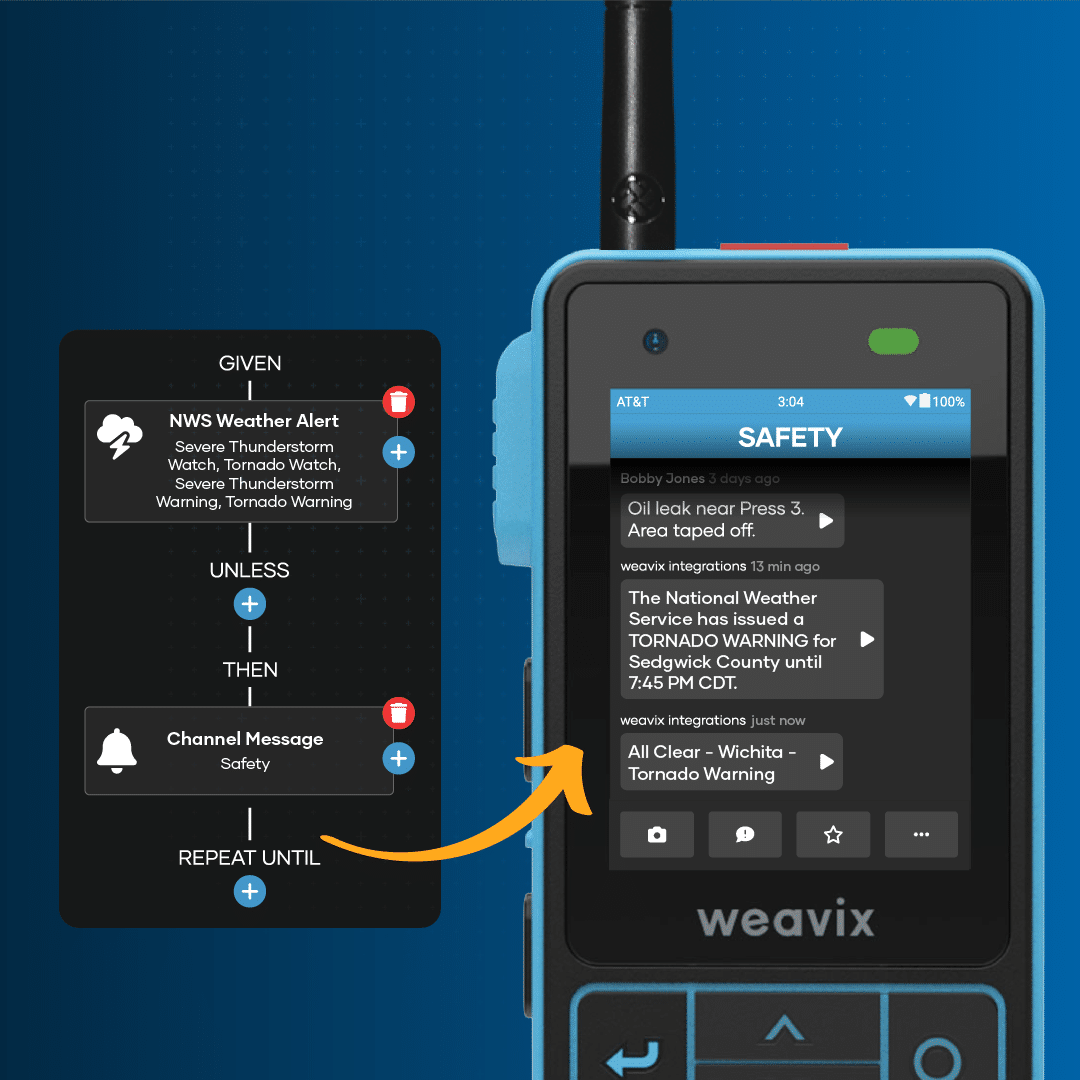
Introducing Automatic Weather Alerts. Your Crew Hears the Warning Without Anyone Watching the Radar.
TLDR: Automatic Weather Alerts is a built-in weather alert system for frontline workers: when the National Weather Service issues a warning for your site, weavix sends it straight to your…
Blog
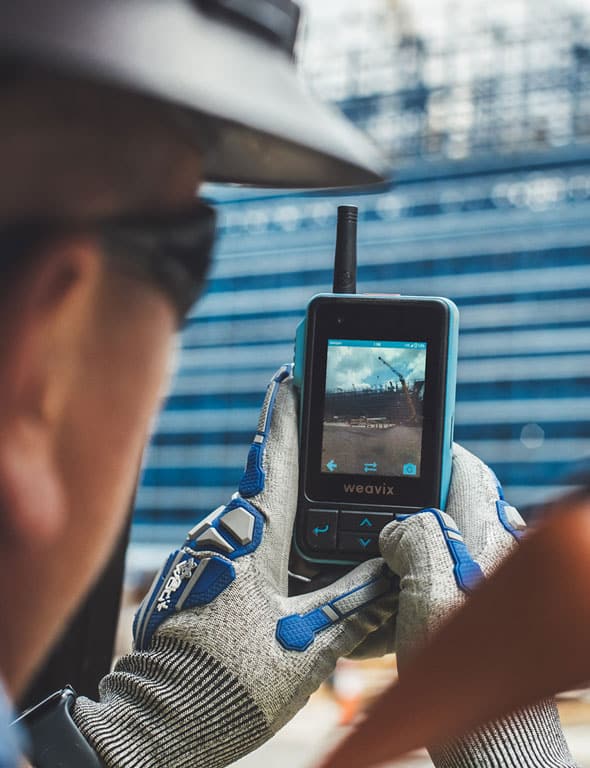
weavix Walt Smart Radio vs Motorola vs Relay: The Best Communication System for Construction Crews
The job moves fast. Trade coordination doesn't keep up. A GC running a commercial buildout has electricians, plumbers, ironworkers, and a dozen subs on the same site, often on different…

Blog
Comms Construction Tools: Safer Jobsites, Faster Decisions, Better Coordination
On any active site, the difference between a smooth pour and a stalled crew often comes down to communication. Schedules shift, hazards emerge, and plans evolve. Comms construction tools give…
Blog
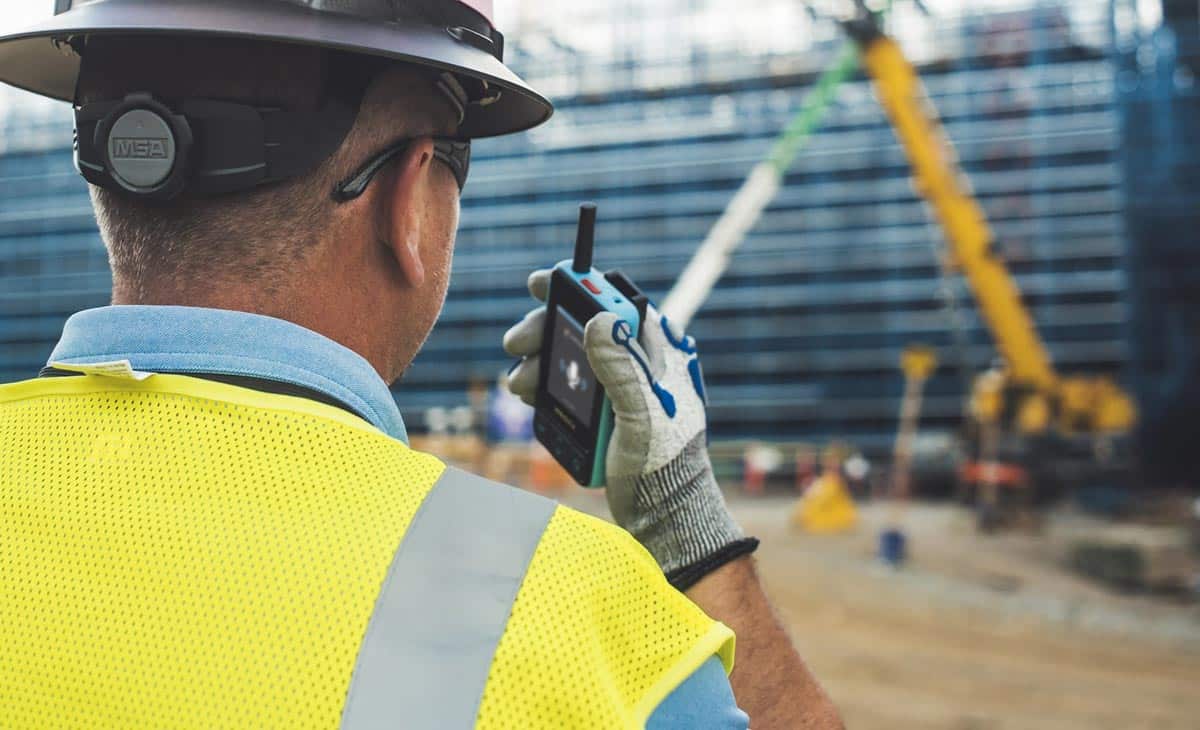
Walt Smart Radio for Data Center Construction
Key Takeaways Two way radios for construction fail on hyperscale data center builds because FCC-licensed channels can't support 60 subcontractors competing for shared spectrum. Walt Smart Radio replaces that architecture…

Blog
What Is a Hyperscaler? And Why Is Everyone Building One Right Now?
Key Takeaways A hyperscaler is a technology company that builds and operates massive data center campuses to deliver cloud computing, AI processing, and storage at global scale. Amazon Web Services,…

Blog
The Data Center Construction Challenges Nobody Talks About
What is data center construction at hyperscale? It's not a larger version of a standard commercial build. Meta's Richland Parish campus in Louisiana peaked at more than 5,000 construction workers…
