Skip to content

Walt® Smart Radio System

Frontline Communication & Safety Blog

Practical guides for the people who run plants, warehouses, job sites and hotels: two-way radios, worker safety, live translation and keeping every crew in the loop. Start with our safety hub or see how weavix supports site safety.
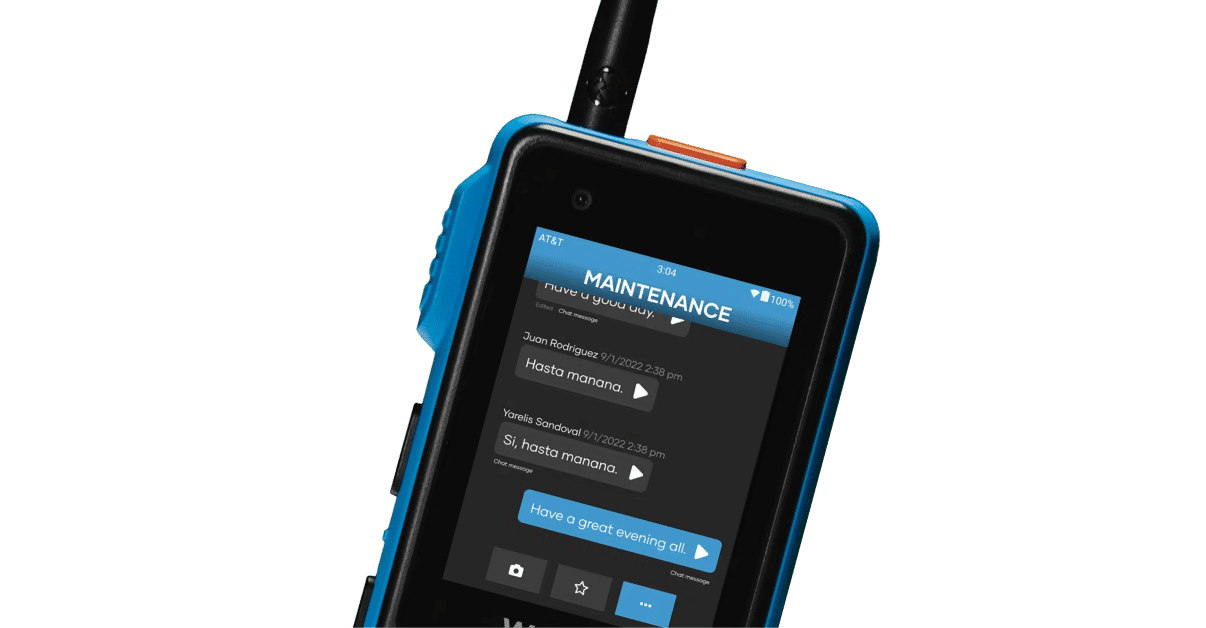

Walt® Smart Radio by weavix

Recent Blogs

Recent Blogs

How to Use a GPS Walkie-Talkie: Setup, Features and Benefits
Construction site

Blog

How to Use a GPS Walkie-Talkie: Setup, Features and Benefits

A GPS walkie-talkie is a two-way radio with built-in location tracking, so you can talk to your team and see where they are at the same time. To use one,…

Learn More
What Is an Intrinsically Safe Radio? Intrinsically Safe Two-Way Radios and Walkie-Talkies Compared
Intrinsically safe radio and walkie-talkie for hazardous work environments

Blog

What Is an Intrinsically Safe Radio? Intrinsically Safe Two-Way Radios and Walkie-Talkies Compared

An intrinsically safe radio is a two-way radio or walkie-talkie built so its circuits cannot release enough electrical or thermal energy to ignite flammable gases, vapors, or dust, even when…

Learn More
Tap-and-Go Authentication on the Frontline: A Guide
Tap And Go Technology||

Blog

Tap-and-Go Authentication on the Frontline: A Guide

Picture this: Your frontline workers are suited up in full personal protective equipment (PPE) and ready to tackle their tasks, but first, they need to authenticate with multiple programs. This…

Learn More
Why Every Frontline Needs a Man Down Radio System
Man Down Radio

Blog

Why Every Frontline Needs a Man Down Radio System

A man-down system is a worker safety feature on a radio or wearable that alerts supervisors and the safety team, with the worker's identity and GPS location, when a worker…

Learn More
Analog vs Digital Radio: What’s the Difference and Which Is Better?
Digital vs Analog Radio System||

Blog

Analog vs Digital Radio: What’s the Difference and Which Is Better?

An analog radio system transmits continuous analog signals for basic voice communication, while a digital radio system converts audio into digital signals for clearer sound, longer range, and features like…

Learn More
The Ultimate Guide to a Connected Workforce
Ultimate Guide to a Connected Workforce||

Blog

The Ultimate Guide to a Connected Workforce

A connected workforce is a team whose frontline workers are linked to each other and to the business through digital communication and operational tools, so information reaches the floor in…

Learn More
Is AI Interpreting the Future of Frontline Communication?
Future of Frontline Communication||||||Real-Time Language Translation Device

Blog

Is AI Interpreting the Future of Frontline Communication?

Effective communication is crucial to maintaining efficiency, safety, and teamwork. With workforces becoming increasingly diverse and global, language barriers present a challenge that traditional communication tools are struggling to overcome.…

Learn More
How a Real-Time Language Translation Device Changes the Frontline Dynamic
Real-Time Language Translation Device|||

Blog

How a Real-Time Language Translation Device Changes the Frontline Dynamic

Effective communication on the frontline has always been a critical challenge, especially in industries like construction, manufacturing, oil and gas, and logistics, where operational efficiency and safety depend on clear…

Learn More
What Is Simulcast and How Does It Work?
What Is Simulcast

Blog

What Is Simulcast and How Does It Work?

What is simulcasting? Simulcasting, short for simultaneous broadcasting, means sending the same content over more than one channel or network at the same time. Public safety agencies use it to…

Learn More
7 Reasons Why Phones Don’t Work for the Frontline
7 Reasons Why|

Blog

7 Reasons Why Phones Don’t Work for the Frontline

Are phones replacing push-to-talk radios in industrial workplaces? Unfortunately, some industry experts like to think so. Recently, there has been a push for frontline workers to simply download and use…

Learn More
Class 1 Division 2 vs Division 1: What Each Hazardous Location Means
class 1 division 2 vs class 1 div 1 smart two way radio

Blog

Class 1 Division 2 vs Division 1: What Each Hazardous Location Means

Class 1, Division 2 (C1D2) is an NEC hazardous location where flammable gases or vapors are handled but stay sealed in containers, piping or ventilated systems, so an ignitable mixture…

Learn More