

Key Takeaways
- Supervisors maintain flow through real-time visibility into communication and activity.
- Transcripts and alerts highlight bottlenecks immediately.
- Photo and video tools support rapid troubleshooting.
- GPS and logging streamline coordination across departments.
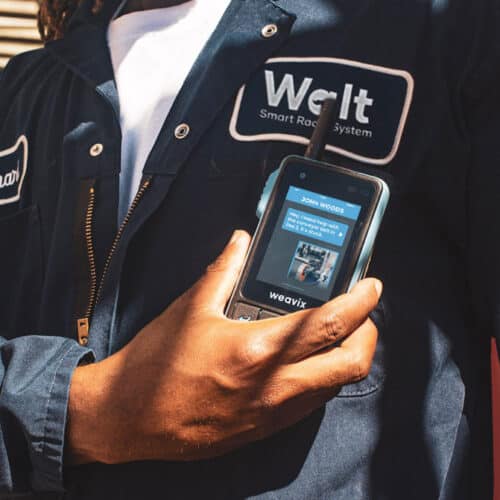
Supervisors use the Walt Smart Radio System by weavix to maintain flow by monitoring real-time communication, identifying delays the moment they appear, and coordinating the right teams without waiting for handoffs or incomplete updates. Live transcripts, multimedia documentation, and GPS visibility give supervisors continuous awareness of activity across the plant, allowing them to intervene before workflow interruptions grow into downtime.
This real-time visibility replaces fragmented communication and allows supervisors to manage operations proactively instead of reactively.
How does the system help supervisors detect bottlenecks early?
Supervisors receive every communication in a time-stamped, searchable transcript. When a bottleneck forms, the transcript stream shows repeated calls for assistance, stalled maintenance steps, or unresolved production issues. Because communication is logged continuously, supervisors identify disruptions seconds after they occur.
The system also highlights:
- Long response gaps
- Repeated requests from the same workstation
- Delayed maintenance follow-up
- Safety alerts affecting workflow
This early detection prevents small delays from escalating into unplanned downtime.
How do supervisors coordinate teams more effectively?
Push-to-voice, photo, and video messaging allow supervisors to understand issues visually without traveling across the plant. Supervisors can respond directly, reassign tasks, or escalate support based on real-time evidence.
Benefits include:
- Faster maintenance deployment
- Reduced walking time across the facility
- Clear instructions supported by photos or videos
- Ability to verify completion through documented communication
By eliminating ambiguity, supervisors keep material flow and production aligned.
How does live visibility improve shift execution?
Supervisors use live GPS and activity logs to see where workers are located, which tasks are active, and where delays may occur. This reduces the time spent searching for personnel or waiting for updates.
Live visibility supports:
- Reallocation of labor to high-demand zones
- Immediate confirmation of task progress
- Faster escalation when a station is backed up
- Real-time alignment between operations, maintenance, and safety
These capabilities maintain workflow continuity and strengthen shift rhythm.
How do supervisors use documentation to maintain consistency?
Every message, alert, and multimedia file is documented automatically. Supervisors review this documentation to keep shifts aligned, track open items, and verify completion of critical steps.
Documented communication improves flow by providing:
- Clear carryover notes for next shifts
- Accurate records of maintenance actions
- A timeline of decisions made during disruptions
- A transparent history for operational review
This consistency stabilizes production across shift changes.
What role does translation play in maintaining flow?
Many plants rely on multilingual workforces where miscommunication contributes to breakdowns and delay. The Walt Smart Radio System by weavix provides real-time translation across more than 40 languages, ensuring every worker understands tasks on the first attempt.
This prevents workflow interruptions caused by repeated explanations, incorrect task execution, or misinterpreted instructions.