

 Andrew Rhodes
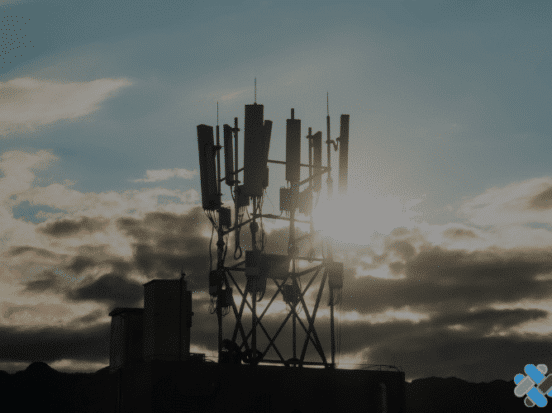
RoIP (radio over IP) is technology that carries two-way radio audio across an IP network, so radios and radio systems can talk to each other without sharing the same airwaves. For industrial teams, it bridges legacy land mobile radio (LMR) systems and modern digital devices while they move to digital.
What does RoIP Stand For?
The Interoperability Between Legacy & Modern Radios
The term “RoIP” stands for Radio over Internet Protocol.
Traditional, legacy radio systems use RoIP to put their old devices on an IP network, creating interoperability between legacy LMR systems and modern digital networks.
Many industrial companies have utilized Land Mobile Radio (LMR) systems for their main means of communication in facilities for years. The advances to these legacy systems are few and far between as they have fallen behind the technological advances that have happened across the globe. Many facilities still rely on two-way radio systems built for industrial sites, which is exactly the kind of legacy hardware RoIP is designed to bridge.
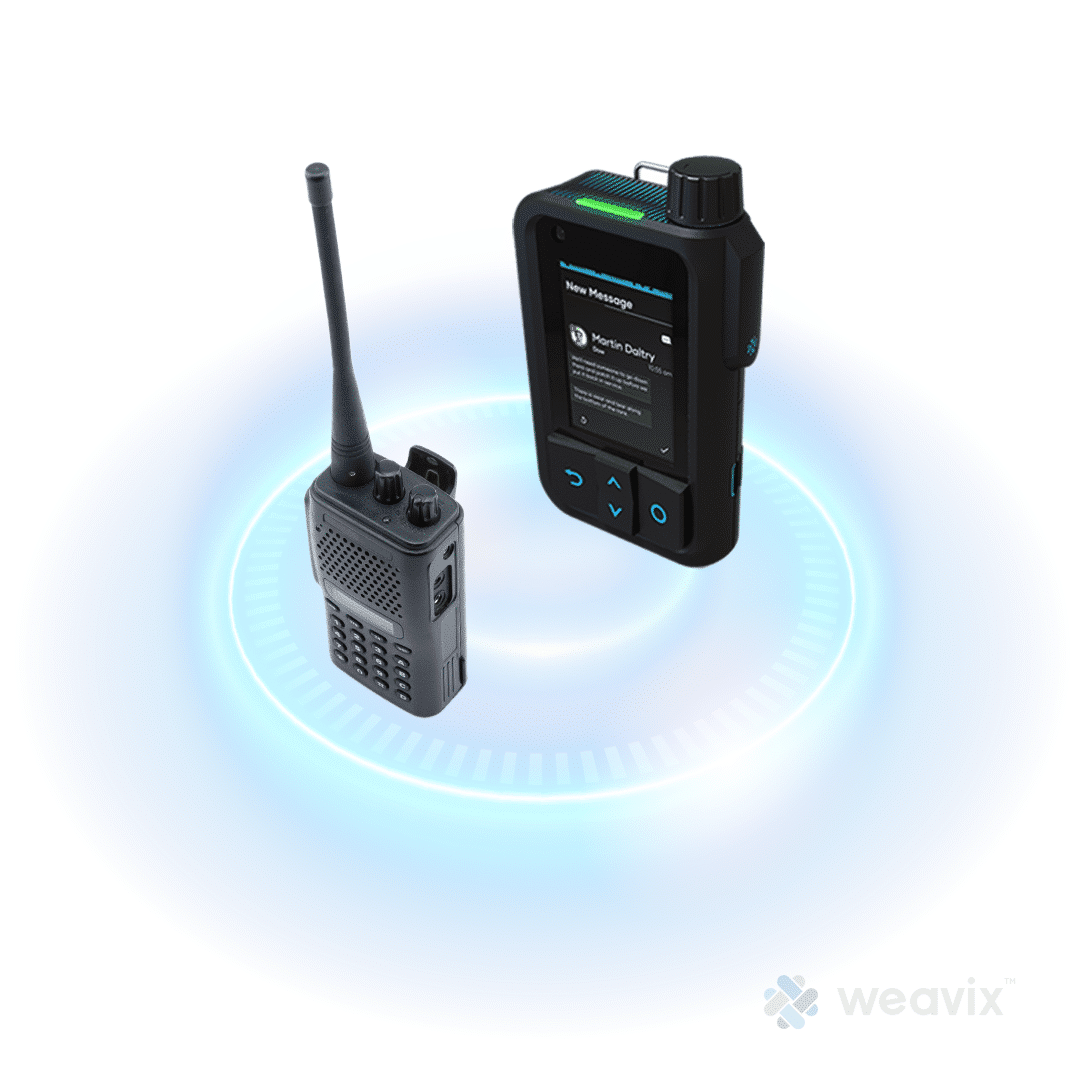
RoIP was developed to act as the temporary bridge between legacy LMR systems and modern communication devices. This way companies could cycle out their legacy devices to digital devices over time.
The process of implementing RoIP has traditionally been expensive and hard to configure, involving integrators and system providers. To combat the high cost of deployment, weavix™ developed a plug-and-play model that drastically reduces costs. This allows companies to continue using their legacy systems while preparing themselves for their digital transformation journey. The Walt Smart Radio System is where that journey lands: a smart radio that works over internet connectivity instead of radio towers.
The Many Benefits of a RoIP Solution
There are numerous benefits that come along with a RoIP by weavix™ solution. These benefits vary company-to-company, and even site-to-site, depending on industrial communication needs. Legacy radios have limited capabilities but high costs, so many companies choose to supply radios to subsets of their workforce. With weavix™, you don’t have to.
weavix™ makes open communication throughout your workforce possible:
- Legacy and modern devices can now communicate without barrier.
- Radio infrastructure will no longer determine the range as devices will run wherever internet is available.
- It is now cost-effective for companies to provide communication devices to their entire workforce since they will not have to only rely on expensive legacy radios.
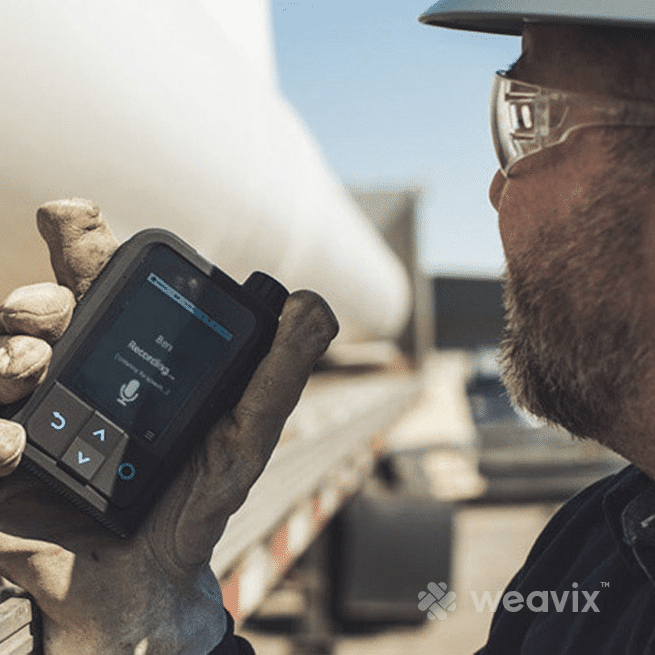
The Evolutionary Step in Push-To-Talk Radio Life
Many companies have an existing infrastructure for their communication system and have invested the dollars for these systems along with the legacy radios that have not yet reached end of life.
However, this end of life is approaching for these dated devices and companies cannot overlook this if they want to succeed. Utilizing RoIP will allow companies to build the bridge that will lead them to digital transformation where eventually they can rely solely on digital smart tools.
Where RoIP Fits Into an IoW Platform
The Internet of Workers, or IoW, is the concept of connecting the entire workforce to the internet through digital devices to collect and share data.
This is only possible if the entire workforce has a digital smart tool. RoIP connectivity is the only workaround to this. By temporarily putting analog radios on the internet, companies can begin to realize the benefits of an IoW platform while continuing to use their legacy systems.
At weavix™, we’ve helped businesses in various industries connect their workforce more while allowing them to keep their current systems in place. See how weavix™ can work for you, contact us or request a demo to get started.
RoIP Frequently Asked Questions
What is RoIP in simple terms?
RoIP, or radio over IP, converts radio audio into data packets and sends them across an IP network such as a local network, Wi-Fi or the internet. This lets radios that normally cannot hear each other, including legacy LMR radios and digital devices, talk across sites, channels and distance.
How does RoIP work?
A RoIP gateway connects to a radio, captures its audio and push-to-talk signal, and converts them into IP packets. A second gateway or app receives those packets and plays them back on another radio or device. That link lets separate radio systems share a conversation over a network.
What is the difference between RoIP and VoIP?
VoIP carries phone-style calls between two parties over IP. RoIP carries push-to-talk radio traffic, where one person talks to a group on a channel. RoIP also keeps radio features such as talk groups and push-to-talk signaling, so existing radios and dispatch workflows can join an IP network.
What are the benefits of RoIP for industrial sites?
RoIP lets a site keep working legacy radios while adding modern devices, so teams can talk across both without replacing everything at once. Range is no longer limited by radio infrastructure, because devices work wherever there is connectivity, and more of the workforce can be reached affordably.
Is RoIP a permanent replacement for two-way radios?
RoIP is best treated as a bridge. It keeps legacy radios useful while a company moves to digital devices over time. As radios reach end of life, many operations replace them with smart radios like the Walt Smart Radio System that run over connectivity and need no separate radio infrastructure.
