

Featured Resources

Post
PrimeFlight Aviation Services Reduces Refueling Delays and Strengthens Safety Response with weavix Walt Smart Radio System Deployment
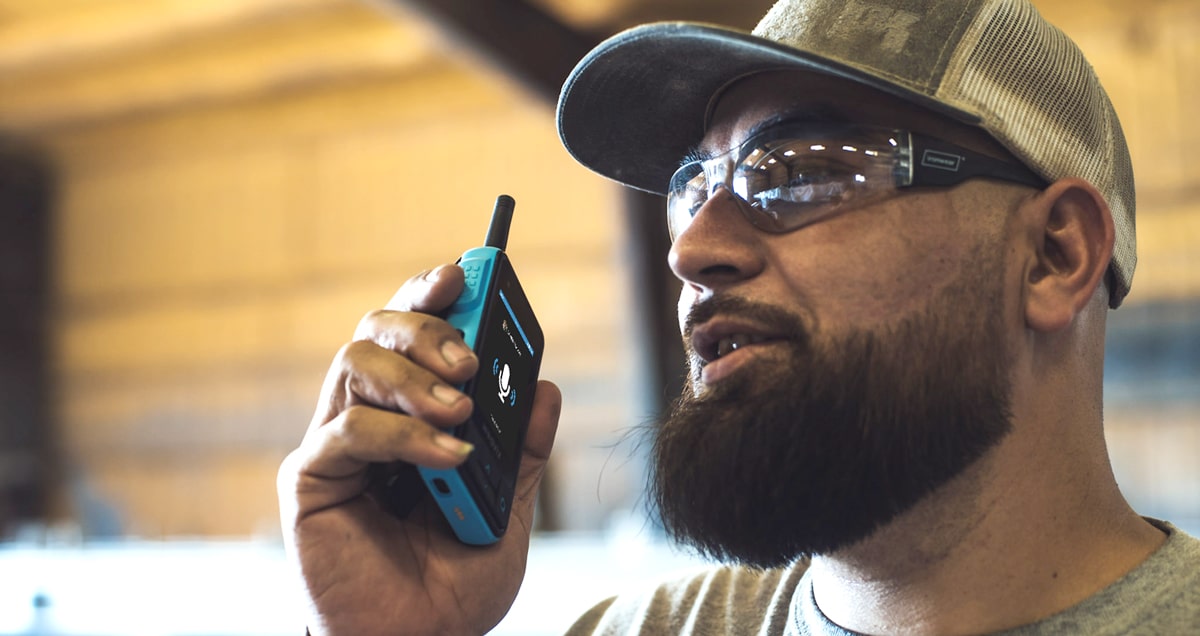
Leading U.S. aircraft services provider achieves 5–10-minute time savings per operation across multiple airport locations while improving accountability and emergency response capabilities A PrimeFlight Aviation employee holds up a Walt…
Blog
10 Reasons to Give Every Worker an Industrial Radio
Most industrial radios suffer from a fatal flaw: they don’t come with the needed functionality or support to justify giving every worker a device. That means workers don’t have a…

Blog
How Far Can Walkie Talkies Reach? Real-World Range by Job Site
Real walkie talkie range on a job site is usually far below the “30-mile” claims on the box, because steel, concrete, terrain, transmission power, antenna quality and battery level all…
-
PrimeFlight Aviation Services Reduces Refueling Delays and Strengthens Safety Response with weavix Walt Smart Radio System Deployment

Post
PrimeFlight Aviation Services Reduces Refueling Delays and Strengthens Safety Response with weavix Walt Smart Radio System Deployment
Learn MoreLeading U.S. aircraft services provider achieves 5–10-minute time savings per operation across multiple airport locations while improving accountability and emergency response capabilities A PrimeFlight Aviation employee holds up a Walt…
-
10 Reasons to Give Every Worker an Industrial Radio
Blog
10 Reasons to Give Every Worker an Industrial Radio
Learn MoreMost industrial radios suffer from a fatal flaw: they don’t come with the needed functionality or support to justify giving every worker a device. That means workers don’t have a…
-
How Far Can Walkie Talkies Reach? Real-World Range by Job Site
Blog
How Far Can Walkie Talkies Reach? Real-World Range by Job Site
Learn MoreReal walkie talkie range on a job site is usually far below the “30-mile” claims on the box, because steel, concrete, terrain, transmission power, antenna quality and battery level all…
Page 3
Page 3
Blog
5 Trends That Reshaped Manufacturing in 2025
Key Takeaways In 2025, manufacturing faced a workforce crisis with nearly 500,000 unfilled jobs, prompting companies to invest more in automation and productivity technologies. AI transitioned from experimental to essential,…

Blog
13 Safety Practices in Manufacturing to Implement Today
Manufacturing facilities are high-risk environments where heavy machinery and fast production cycles leave little room for error. When communication breaks down or hazards go unnoticed, routine tasks turn into safety…

Blog
Smart Manufacturing Solutions: The Critical Infrastructure Gap
Key Takeaways Smart manufacturing solutions integrate people, machines, and processes to enhance production efficiency. Communication infrastructure plays a crucial role, yet it often gets overlooked, leading to an intelligence gap.…
Blog
How to Make the Case for Two-Way Radio Systems
Key Takeaways Two-way radios facilitate real-time communication, crucial for industries like construction, hospitality, and manufacturing. Analog and digital two-way radios serve different needs, with digital radios offering better audio quality…

Blog
How Communication Barriers Create Disconnected Teams, Higher Costs
Key Takeaways Communication barriers in facilities lead to dangerous delays and safety risks during critical situations. Outdated communication models create silos across departments and hinder operational efficiency. Smart radios enable…
Blog
Best Two-Way Radios for Manufacturing: A Plant Manager’s Guide
The best two-way radios for manufacturing deliver clear audio over machine noise, rugged IP-rated builds, batteries that last a full shift and coverage for the whole plant. Motorola models such…

Blog
Walkie Talkies Long Range: The Box Says 30 Miles. The Job Site Says Otherwise.
TLDRWalkie talkies with long range claims reach anywhere from under half a mile to about 25 miles. On a job site or plant floor, though, steel, concrete, and terrain cut…
Blog
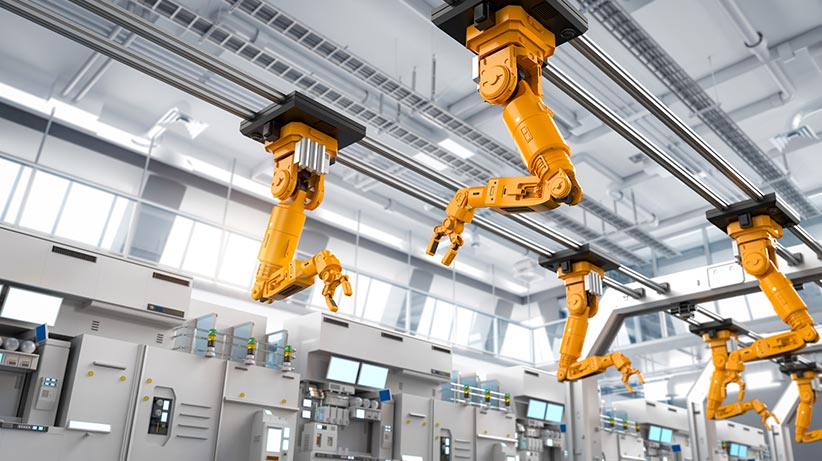
11 Smart Manufacturing Technologies Transforming the Factory Floor
Outdated equipment and disconnected systems often limit factory output, reduce transparency, and make it difficult for operations leaders to stay ahead of rising costs and workforce challenges. Smart manufacturing technologies…

Blog
Walkie Talkie Timeline: Key Dates From 1937 to Today
The walkie talkie timeline starts in 1937, when Donald Hings built a portable packset for Canadian mining, and runs through the 1940 Motorola SCR-300 and the 1941 SCR-536 Handie Talkie…

Blog
When Were Walkie Talkies Invented? History of the Walkie Talkie
Before smartphones connected billions of people across the globe, before cellular towers dotted the landscape, and before the internet revolutionized human communication, there was a revolutionary device that changed how…

Blog
What to Look for in the Best Warehouse Walkie-Talkie: A Guide
Warehouse teams rely on clear, instant communication — but standard radios often fail in loud, fast-moving, and physically demanding environments. Devices not built for warehouses break easily, can’t rise above…
Blog
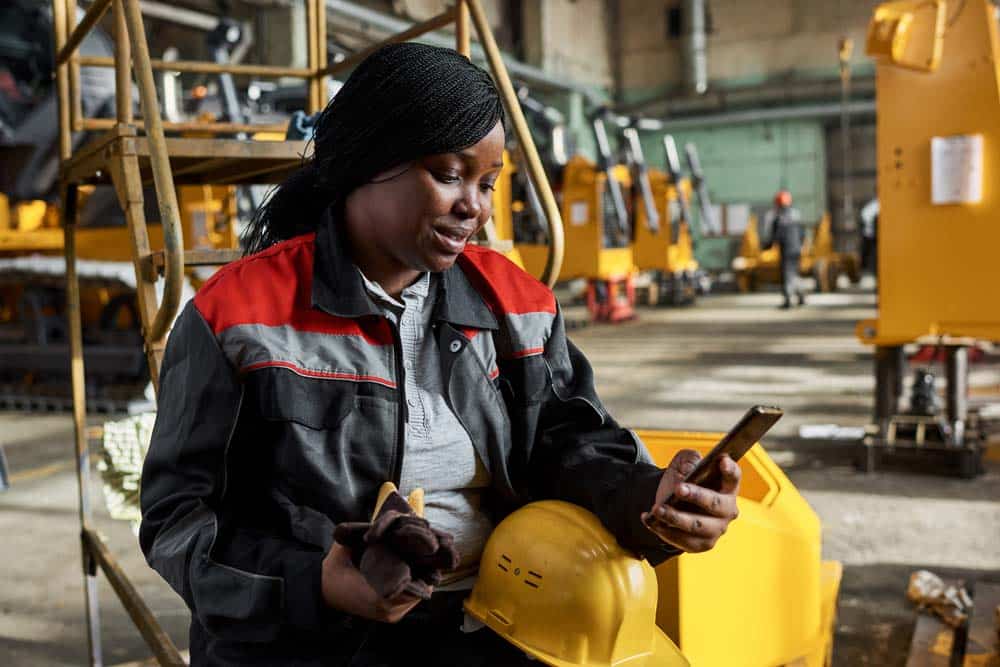
Cell Phone Bans in Manufacturing: Pros, Cons and Policy Options
Key Takeaways Smartphones can create safety risks in manufacturing, leading to significant incidents and even injuries. Manufacturers face challenges in balancing smartphone restrictions with operational communication needs. Policies like GM's…
